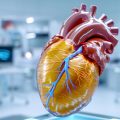

Understanding Coronary Artery Disease: Causes, Symptoms, and Modern Treatments
Coronary artery disease (CAD) remains one of the leading causes of death worldwide, affecting millions of people every year. It occurs when the blood vessels supplying the heart muscle become narrowed or blocked, reducing blood flow and oxygen to the heart. This can lead to chest pain, heart attacks, and other serious cardiovascular complications.
What is Coronary Artery Disease?
Coronary artery disease is a condition characterized by the buildup of plaque inside the coronary arteries. These arteries are responsible for delivering oxygen-rich blood to your heart. When plaque—a mixture of fat, cholesterol, calcium, and other substances—accumulates, it narrows the arteries and limits blood flow.
This process, known as atherosclerosis, develops gradually over time and can remain silent for years before symptoms appear. Left untreated, CAD can weaken the heart muscle and lead to heart failure or sudden cardiac arrest.
Causes and Risk Factors
The primary cause of coronary artery disease is atherosclerosis, but several factors contribute to its development:
- High cholesterol: Elevated LDL (bad) cholesterol promotes plaque buildup.
- High blood pressure: Hypertension damages artery walls, making them more susceptible to plaque.
- Smoking: Tobacco damages blood vessels and accelerates narrowing.
- Diabetes: High blood sugar levels increase the risk of atherosclerosis.
- Obesity: Excess body weight is linked to high cholesterol and blood pressure.
- Physical inactivity: Sedentary lifestyle contributes to many heart disease risk factors.
- Family history: Genetics can influence susceptibility to CAD.
- Age and gender: Risk increases with age; men are generally at higher risk earlier than women.
Recognizing Symptoms
Symptoms of coronary artery disease may vary, and some individuals may not experience any at first. Common signs include:
- Chest pain or discomfort (angina): Often described as pressure, tightness, or squeezing in the chest.
- Shortness of breath: Difficulty breathing during exertion or even at rest.
- Fatigue: Feeling unusually tired during physical activity.
- Palpitations: Noticeable heartbeats or irregular rhythms.
- Heart attack: Severe chest pain, sweating, nausea, and shortness of breath require immediate emergency care.
If you experience persistent or severe chest pain, seek medical attention immediately.
Diagnostic Approaches
Your healthcare provider may use several tests to diagnose CAD, such as:
- Electrocardiogram (ECG): Records electrical activity of the heart and may detect abnormalities.
- Stress testing: Evaluates heart function during physical exertion.
- Chest X-ray: Checks for heart enlargement or fluid buildup.
- Echocardiogram: Ultrasound imaging to assess heart structure and function.
- Coronary angiography: An invasive procedure using contrast dye to visualize blockages in coronary arteries.
Treatment Options
Managing coronary artery disease involves a combination of lifestyle changes, medications, and sometimes surgical interventions.
Lifestyle Modifications
- Adopt a heart-healthy diet rich in fruits, vegetables, whole grains, lean proteins, and healthy fats.
- Engage in regular physical activity, such as brisk walking, for at least 150 minutes per week.
- Quit smoking and avoid exposure to secondhand smoke.
- Maintain a healthy weight.
- Manage stress through mindfulness, yoga, or other relaxation techniques.
Medications
Depending on the severity, your doctor may prescribe medications such as:
- Statins: To lower cholesterol levels.
- Antiplatelet agents: Like aspirin to prevent blood clots.
- Beta-blockers: To reduce heart workload and control blood pressure.
- ACE inhibitors: To help relax blood vessels.
- Nitrates: To relieve chest pain.
Surgical Procedures
In cases of significant artery blockage, surgical options include:
- Angioplasty and stenting: A catheter is used to open blocked arteries and place a stent to keep them open.
- Coronary artery bypass grafting (CABG): Bypass surgery creates a new route for blood flow around blocked arteries.
Preventing Coronary Artery Disease
Prevention is crucial and involves controlling risk factors and adopting a healthy lifestyle early on. Regular health screenings to monitor blood pressure, cholesterol, and blood sugar levels can help detect problems before they worsen.
Maintaining a balanced diet, staying active, avoiding tobacco, and managing stress play vital roles in keeping your heart healthy.
Living with Coronary Artery Disease
A diagnosis of CAD can be life-changing, but with proper management, many people lead active, fulfilling lives. Working closely with your healthcare team and following treatment plans can reduce symptoms and improve quality of life.
Support groups and counseling may also help you cope with emotional challenges related to heart disease.
Conclusion
Coronary artery disease is a serious but manageable condition. Understanding its causes, recognizing symptoms early, and adhering to treatment can prevent complications and improve outcomes. If you have risk factors or symptoms, consult a healthcare professional promptly to protect your heart health.
Disclaimer: This article is for informational purposes only and does not substitute professional medical advice. Always consult your healthcare provider for diagnosis and treatment of heart conditions.
Disclaimer: This article is for educational purposes only and does not constitute medical advice. Always consult a qualified healthcare professional.