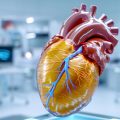

The Effects of Intermittent Cold Exposure on Heart Health: Benefits and Precautions
Cold exposure therapies, such as cold showers, ice baths, and cryotherapy, have gained popularity for their potential health benefits. Among these, their impact on cardiovascular health is an exciting area of emerging research. This article explores how intermittent cold exposure influences heart function, blood vessels, and overall cardiovascular wellness, while outlining safe practices and precautions.
Understanding Intermittent Cold Exposure
Intermittent cold exposure refers to the controlled exposure of the body to cold temperatures for limited periods. Common methods include cold showers, ice baths, or cryotherapy chambers. The exposure triggers physiological responses designed to protect core body temperature, which can influence heart rate, blood pressure, and vascular tone.
Physiological Responses to Cold Exposure
When exposed to cold, the body activates several mechanisms:
- Vasoconstriction: Blood vessels narrow to reduce heat loss, increasing blood pressure temporarily.
- Increased Heart Rate: The cold shock can cause a transient increase in heart rate to maintain circulation.
- Activation of the Sympathetic Nervous System: This ‘fight or flight’ response increases adrenaline, affecting heart function.
- Enhanced Circulation Post-Exposure: After cold exposure, blood vessels dilate, improving blood flow and oxygen delivery.
Potential Cardiovascular Benefits
Research and anecdotal evidence suggest several heart-related benefits from intermittent cold exposure:
- Improved Vascular Function: Repeated vasoconstriction and dilation may enhance blood vessel elasticity and endothelial function.
- Reduced Blood Pressure: Over time, cold exposure may contribute to better regulation of blood pressure, especially in hypertensive individuals.
- Enhanced Heart Rate Variability (HRV): Exposure can improve autonomic nervous system balance, which is linked to better cardiovascular resilience.
- Anti-inflammatory Effects: Cold exposure can reduce systemic inflammation, a key factor in many cardiovascular diseases.
- Metabolic Benefits: Cold exposure activates brown fat and may improve lipid metabolism, indirectly supporting heart health.
Scientific Evidence and Studies
While more large-scale clinical trials are needed, several studies provide promising insights:
- A 2014 study published in European Journal of Applied Physiology found that cold water immersion improved vascular endothelial function in healthy subjects.
- Research in Heart and Vessels (2018) indicated that winter swimming may confer cardiovascular benefits, including improved blood pressure and heart rate variability.
- Animal studies show that intermittent cold exposure reduces markers of inflammation and oxidative stress in cardiac tissue.
Who Should Be Cautious?
Despite potential benefits, cold exposure is not suitable for everyone. Individuals with certain heart conditions should consult their healthcare provider before trying these methods, including those with:
- Uncontrolled hypertension
- Coronary artery disease or recent heart attack
- Arrhythmias or conduction abnormalities
- Severe peripheral vascular disease
- Raynaud’s disease or cold hypersensitivity
Safe Practices for Intermittent Cold Exposure
If you decide to incorporate cold exposure into your routine, follow these guidelines:
- Start Gradually: Begin with shorter exposures to moderately cold water (e.g., 15–20°C) before progressing to colder temperatures or longer durations.
- Monitor Your Body: Watch for signs of excessive discomfort, dizziness, or chest pain.
- Avoid Cold Exposure Alone: Have someone nearby or inform others when practicing ice baths or cryotherapy.
- Warm Up Properly: After cold exposure, warm up gradually with dry clothing and gentle movement.
- Consult Your Doctor: Especially important if you have existing heart or vascular conditions.
Incorporating Cold Exposure Into a Heart-Healthy Lifestyle
Cold exposure should complement, not replace, established heart-healthy habits such as balanced nutrition, regular exercise, stress management, and adequate sleep. Combined, these strategies support optimal cardiovascular function.
Conclusion
Intermittent cold exposure offers intriguing potential benefits for heart health by improving vascular function, reducing inflammation, and enhancing autonomic balance. However, it requires caution and individualized assessment to ensure safety, especially for those with preexisting cardiovascular disease. As research continues to evolve, cold exposure may become a valuable adjunct in the pursuit of cardiovascular wellness.
Disclaimer: This article is intended for informational purposes only and does not substitute professional medical advice. Consult your healthcare provider before beginning any new health regimen, especially if you have heart conditions.
Disclaimer: This article is for educational purposes only and does not constitute medical advice. Always consult a qualified healthcare professional.