
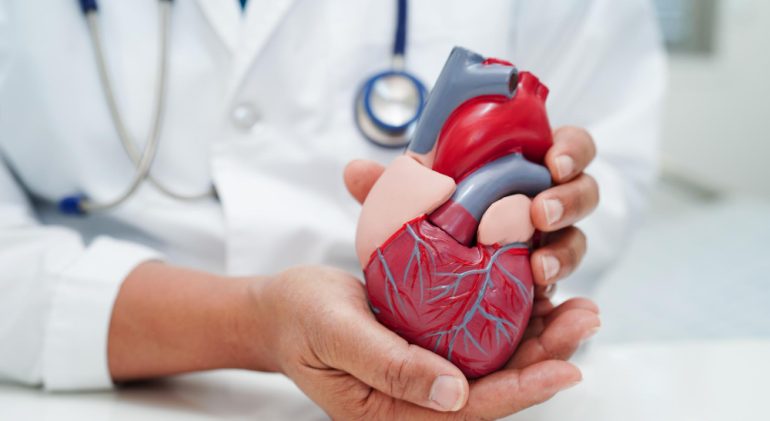
How Sleep Affects Heart Health: Unveiling the Vital Connection
Sleep is often considered a luxury or a time for rest, but its role in maintaining heart health is profound and multifaceted. Quality sleep is essential not only for mental well-being but also for cardiovascular health. Emerging research has revealed that both insufficient sleep and poor sleep quality can significantly increase the risk of developing heart disease.
The Science Behind Sleep and the Heart
During sleep, the body undergoes various restorative processes, including the regulation of blood pressure, heart rate, and inflammatory markers. The autonomic nervous system, which controls involuntary bodily functions such as heartbeat and blood vessel constriction, shifts into a parasympathetic (rest and digest) mode during sleep. This shift lowers heart rate and blood pressure, allowing the cardiovascular system to recover from daytime stresses.
Sleep also influences the balance of hormones that regulate appetite, metabolism, and inflammation. Disruptions in sleep patterns can cause hormonal imbalances that contribute to obesity, diabetes, and hypertension — all major risk factors for heart disease.
How Poor Sleep Impacts Cardiovascular Health
Chronic sleep deprivation has been linked to a range of cardiovascular problems including:
- Hypertension (High Blood Pressure): Lack of sleep can cause sustained increases in blood pressure, which strains the heart and blood vessels.
- Increased Risk of Heart Attack and Stroke: Sleep disorders such as sleep apnea are associated with a higher likelihood of these life-threatening events.
- Arrhythmias: Poor sleep may disrupt the electrical signals in the heart, leading to abnormal rhythms.
- Inflammation: Insufficient sleep raises levels of inflammatory markers, promoting atherosclerosis (hardening of the arteries).
Common Sleep Disorders That Affect Heart Health
Understanding and addressing sleep disorders is crucial for maintaining cardiovascular wellness.
Obstructive Sleep Apnea (OSA)
OSA is characterized by repeated interruptions in breathing during sleep due to airway obstruction. These episodes cause oxygen levels to drop and trigger stress responses, increasing blood pressure and heart strain.
Insomnia
Chronic difficulty falling or staying asleep can lead to heightened sympathetic nervous system activity, which negatively impacts heart health.
Restless Leg Syndrome (RLS)
This condition causes uncomfortable sensations and an irresistible urge to move the legs during rest, leading to fragmented sleep and increased cardiovascular risk.
Tips for Improving Sleep to Protect Your Heart
- Stick to a Sleep Schedule: Go to bed and wake up at the same time every day to regulate your internal clock.
- Create a Relaxing Bedtime Routine: Limit screen time, avoid caffeine and heavy meals before bed, and engage in calming activities like reading or meditation.
- Optimize Your Sleep Environment: Keep your bedroom cool, dark, and quiet to promote uninterrupted sleep.
- Exercise Regularly: Physical activity can improve sleep quality, but avoid vigorous exercise close to bedtime.
- Seek Treatment for Sleep Disorders: If you suspect conditions like sleep apnea or insomnia, consult a healthcare provider for diagnosis and management.
When to Talk to Your Doctor
If you experience persistent fatigue, loud snoring, daytime sleepiness, or irregular heartbeats, it’s important to discuss these symptoms with your healthcare provider. Early diagnosis and treatment of sleep disorders can significantly reduce your risk of heart disease and improve your overall quality of life.
Conclusion
Sleep is a cornerstone of heart health. Prioritizing good sleep hygiene and addressing sleep disturbances can help protect your heart and reduce the risk of cardiovascular disease. By understanding the vital connection between sleep and heart health, you can take proactive steps toward a healthier, longer life.
Disclaimer: This article is for informational purposes only and does not substitute professional medical advice. Always consult your healthcare provider regarding any health concerns.
Disclaimer: This article is for educational purposes only and does not constitute medical advice. Always consult a qualified healthcare professional.